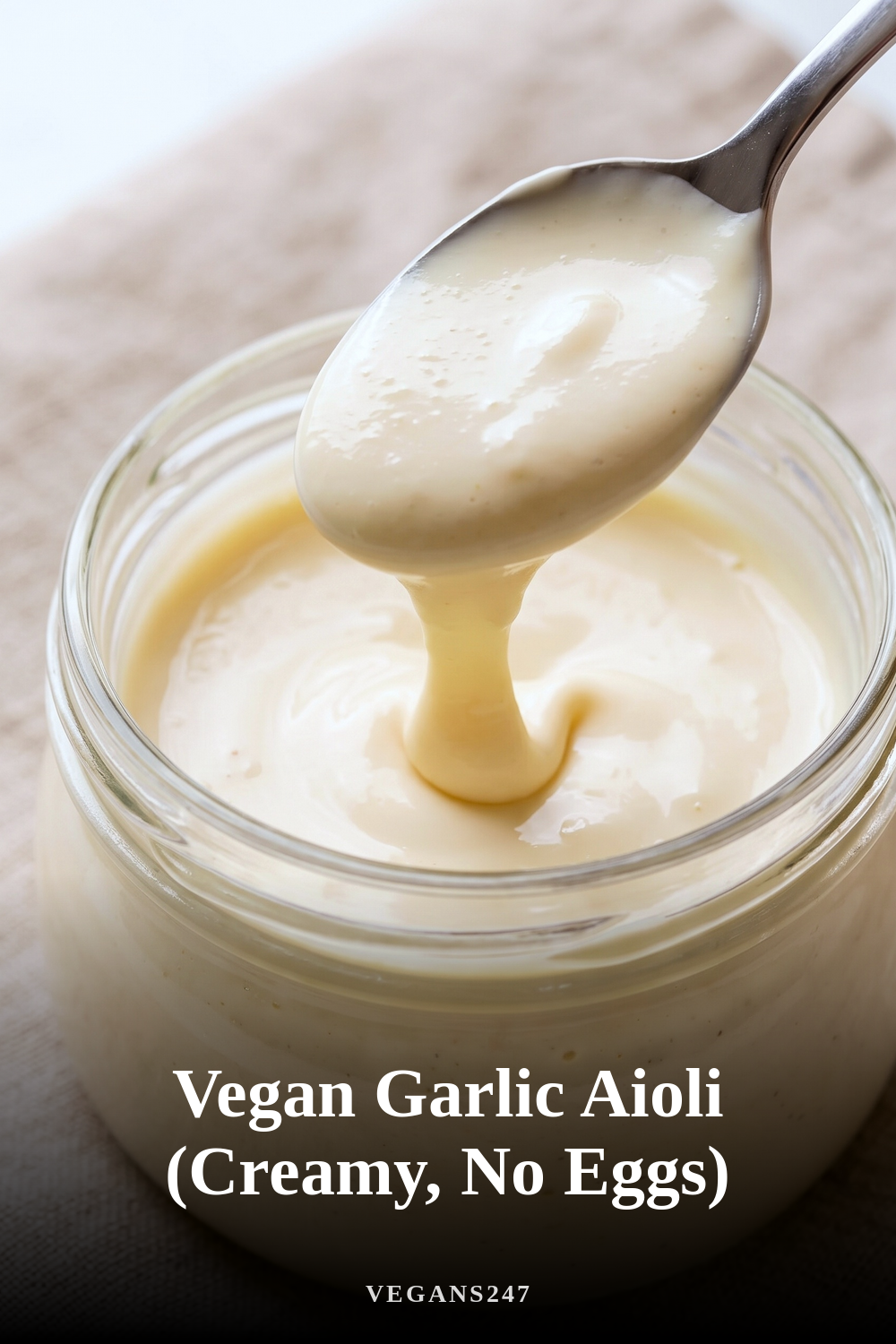
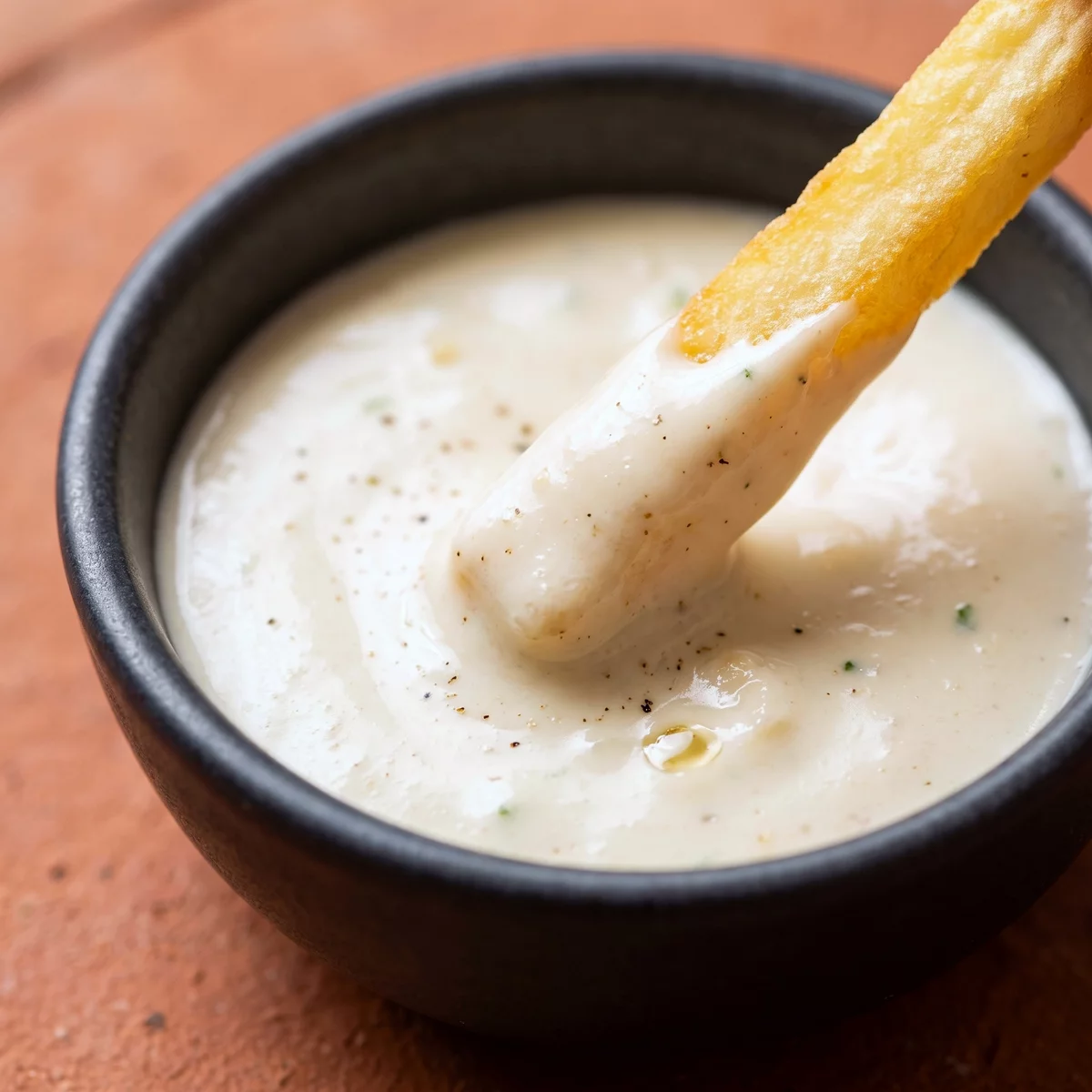
Vegan garlic aioli should be thick enough to hold a spoon and bold enough to wake up whatever you dip into it, and this version gets there with a jar, an immersion blender, and about ten minutes. It’s built by coaxing oil into soy milk until the two turn pale and glossy, then letting lemon and fresh garlic do the rest. There are no cashews to soak and nothing specialty to track down, which is the whole reason I keep coming back to it when a plate needs a lift. Make it once and the method sticks with you, because the rhythm of the pour is the only real skill involved. The first time you watch a jar go from watery to thick in a matter of seconds, you’ll see why aioli is worth making at home instead of buying.
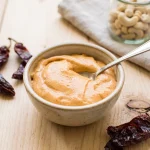
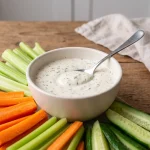
Aioli began in the Mediterranean as little more than olive oil worked into garlic with a pestle, and the thick, creamy sauce most of us know today leans on raw egg to hold the oil in place. My plant take skips that by starting with soy milk, which carries its own natural emulsifier, and it holds the oil just as well once the emulsion catches. The result is a sauce that tastes sharp and clean rather than heavy, with a garlic bite you can dial up or down to taste. I spoon it over vegan croquettes, set a bowl of it beside vegan mozzarella sticks, or thin it with lemon to drizzle across roasted vegetables. It also makes a cool, sharp dip for vegan jalapeno poppers when the heat needs taming, and it’s the same base I build on for vegan chipotle aioli.
Vegan Garlic Aioli
Ingredients
Method
- Add the soy milk, lemon juice, Dijon, grated garlic, and salt to a tall, narrow container and let it sit for 5 minutes. The short rest lets the lemon take the raw edge off the garlic before the oil goes in.
- Lower an immersion blender to the bottom of the container and blend for about 10 seconds, until the soy milk turns foamy and pale and the garlic is broken up.
- Keep the blender running at the bottom and pour the neutral oil and the olive oil in a thin, steady stream, taking about 45 seconds. The mixture will thicken, pale, and pull away from the sides as the emulsion forms, and you shouldn't lift the blender until it has caught.
- Taste the aioli and adjust it with more salt for depth, lemon for brightness, or another grated clove for a sharper bite. If it feels too thick, blend in cold water a teaspoon at a time.
- Transfer the aioli to a jar and chill it. Stir before serving, and loosen it with a squeeze of lemon juice if it firms up in the fridge.
Notes

Tips for Vegan Garlic Aioli
- Use soy milk rather than almond or oat milk. Soy milk carries lecithin, a natural emulsifier, and that’s what lets it hold the oil together without any help.
- Keep the soy milk and the lemon at room temperature. Cold liquid makes the oil seize, and a seized emulsion turns grainy instead of glossy no matter how long you blend.
- Pour the oil in the thinnest stream you can manage. Dumping it in all at once is the fastest route to a pool of oil floating on top of the sauce, and a steady hand here does more for the texture than any trick with the blender speed.
- Hold the blender at the bottom of the jar until the aioli turns pale and thick. Lifting it too soon leaves the oil half mixed and the sauce loose instead of creamy.
- Add the garlic to the lemon first and give it a few minutes. That short contact softens the raw, sharp edge so the finished aioli tastes rounded rather than harsh.
- Even a broken batch can be rescued. Put a tablespoon of soy milk in a clean jar, then stream the broken aioli into it while blending, and it’ll pull back together.
Storage
Keep the aioli in a sealed jar in the refrigerator, where it stays fresh for about a week. The garlic flavor builds over the first day, so it often tastes even better on day two, and it’s worth tasting again before you serve it. If it firms up in the cold, stir in a teaspoon of cold water or a squeeze of lemon juice until it loosens to a spoonable consistency. This sauce doesn’t freeze well, since the emulsion separates as it thaws, so make the size of batch you’ll actually use rather than doubling it and stashing the rest. A squeeze of lemon also wakes the flavor back up if it has dulled after a few days in the fridge.
FAQ
Can I make vegan garlic aioli without soy milk?
You can make this without soy milk, and two swaps work well. Aquafaba, the liquid from a can of chickpeas, whips into a very similar emulsion, and unsweetened oat or pea milk will work too if you keep the Dijon in and pour the oil slowly. If you go the aquafaba route, use the same amount and keep everything at room temperature. Soy milk is still the most reliable choice because of its lecithin, so it’s the one I reach for first.
Why did my aioli turn runny or grainy?
That almost always comes down to the oil going in too fast or the ingredients being cold, so the emulsion never caught. Keep the soy milk and lemon at room temperature, and pour the oil in a slow, steady stream with the blender held right at the bottom. If it has already broken, put a fresh tablespoon of soy milk in a clean jar and stream the loose batch into it while blending, and it’ll usually come back together.
Why does the aioli turn green or blue the next day?
Garlic reacts with the acid in the lemon, and over a day or two it can shift to a faint blue-green. It’s a harmless reaction between garlic compounds and acid, not a sign that the sauce has gone off, and the aioli is still perfectly fine to eat. Stirring it back together usually evens out the color.
How long does vegan garlic aioli last?
In a sealed jar in the fridge it keeps for about a week. The garlic gets stronger as it sits, so taste it before you serve it and balance it with a little more lemon or salt if it’s turned sharp. I wouldn’t freeze it, because the emulsion breaks on thawing and you end up with oil and liquid that won’t come back together. Serve it within that window for the best flavor and texture.